Do Toddlers Need Vitamin D Supplements

Do Toddlers Need Vitamin D Supplements

Vitamin C Benefits

Vitamin C Foods | Andrew Weil, M.D.

What is vitamin C?

Vitamin C (also known as ascorbic acid) is abundant in vegetables and fruits. A water-soluble vitamin and powerful antioxidant, it helps the body form and maintain connective tissue, including bones, blood vessels, and skin.

What does vitamin C do?

Vitamin C helps to repair and regenerate tissues, protect against heart disease, aid in the absorption of iron, prevent scurvy, and decrease total and LDL ("bad") cholesterol and triglycerides. Research indicates that vitamin C may help protect against a variety of cancers by combating free radicals, and helping neutralize the effects of nitrites (preservatives found in some packaged foods that may raise the risk of certain forms of cancer). Supplemental vitamin C may also lessen the duration and symptoms of a common cold, help delay or prevent cataracts, and support healthy immune function.

What are the signs of a vitamin C deficiency?

Deficiency symptoms include fatigue, muscle weakness, joint and muscle aches, bleeding gums, and leg rashes. Prolonged deficiency can cause scurvy, a rare but potentially severe illness.

How much, and what kind, does an adult need?

According to the National Institutes of Health (NIH), the recommended vitamin C daily allowance (RDA) for adults over age 19 is:

  • Men, 90 mg per day
  • Women, 75 mg per day
  • Pregnant women, 85 mg per day
  • Breastfeeding women, 120 mg per day.

Smokers may benefit from a higher intake. Dr. Weil recommends taking 250 mg of vitamin C each day.

How much does a child need?

NIH recommends Adequate Intakes (AIs):

  • Infants 0-6 months old, 40 mg per day
  • Infants 7-12 months old, 50 mg per day.

The RDAs of vitamin C for teens and children are:

  • Toddlers 1-3 years old, 15 mg per day
  • Children 4-8 years old, 25 mg per day
  • Children 9-13 years old, 45 mg per day
  • Male teens 14-18 years old, 75 mg per day
  • Female teens 14-18 years old, 65 mg per day

How do you get enough vitamin C from foods?

Vitamin C is easy to get through foods, as many fruits and vegetables contain vitamin C. Good sources include: apples, asparagus, berries, broccoli, cabbage, melon (cantaloupe, honeydew, watermelon), cauliflower, citrus fruits (lemons, limes, oranges), kiwi, fortified foods (breads, grains, cereal), dark leafy greens (kale, spinach), peppers (especially red bell peppers, which have among the highest per-serving vitamin C content), potatoes, and tomatoes.

Are there any risks associated with too much vitamin C?

When obtained from food sources and supplements in the recommended dosages, vitamin C is generally regarded as safe. Side effects are rarely reported, but include diarrhea, nausea, abdominal cramps, and other gastrointestinal symptoms. For most healthy individuals, the body can only hold and use about 200-250 mg of vitamin C a day, and any excess is lost though urine. At times of illness, during recovery from injury, or under conditions of increased oxidative stress (including smoking), the body can use greater amounts. High doses of vitamin C (greater than 2,000 mg/day) may contribute to the formation of kidney stones, as well as cause severe diarrhea, nausea, and gastritis.

Are there any other special considerations?

Adverse affects may occur between vitamin C and anticoagulant drugs such as warfarin (Coumadin), decreasing their action. Nicotine products, oral contraceptives/estrogens, tetracyclines, barbiturates, and aspirin may decrease levels of vitamin C.

Vitamin C may increase absorption of iron and lutein. Although some evidence suggests that large doses of supplemental vitamin C may interfere with the absorption and metabolism of vitamin B12 found in food, other studies have shown no such effects.

Updated by: Andrew Weil, M.D., and Brian Becker, M.D., on Oct. 29th, 2012

SOURCES:

ods.od.nih.gov/factsheets/VitaminC-HealthProfessional/

nlm.nih.gov/medlineplus/ency/article/002404.htm

umm.edu/health/medical/altmed/supplement/vitamin-c-ascorbic-acid

lpi.oregonstate.edu/mic/micronutrients-health/skin-health/nutrient-index/vitamin-C

Reviewed by Benjamin S. Gonzalez, M.D., May, 2016.

Do Toddlers Need Vitamin D Supplements

Source: https://www.drweil.com/vitamins-supplements-herbs/vitamins/vitamin-c-benefits/

Share:

Vitamin D List Foods

Vitamin D List Foods

10 Healthy Foods That Are Rich in Vitamin D

Photo Courtesy: Michael Godek/Getty Images

Are you getting enough sun? In many parts of the world, that might prove difficult during the winter months — and it can impact more than your sunny disposition.When exposed to sunshine, our bodies produce vitamin D, something our bodies need to maintain healthy bones and teeth; support our immune and cardiovascular systems; and stave off certain diseases, like type 1 diabetes. Some reports suggest that roughly three-quarters of American teens and adults might not be getting enough vitamin D. So, how can you turn that number around?

How Much Vitamin D Do We Need and Where Can We Find It?

The National Institutes of Health (NIH) makes recommendations for what one's daily intake of vitamin D should be based on age, gender and other factors. The recommendations, in micrograms (mcg), can be summarized as follows:

Photo Courtesy: Sean Gladwell/Getty Images

  • Infants (up to 12 months): 10 mcg daily
  • Children (1 to 13 years): 15 mcg daily
  • Teens (14 to 18 years): 15 mcg daily
  • Adults (19 to 50 years): 15 mcg daily
  • Older adults (51 to 70 years): 15 mcg daily
  • Seniors (70+ years): 20 mcg daily

So, how can you supplement your vitamin D intake if all that basking in the sun isn't cutting it? Thanks to the Dietary Guidelines for Americans, we've rounded up 10 healthy foods that can help you reach those daily vitamin D goals.

Salmon

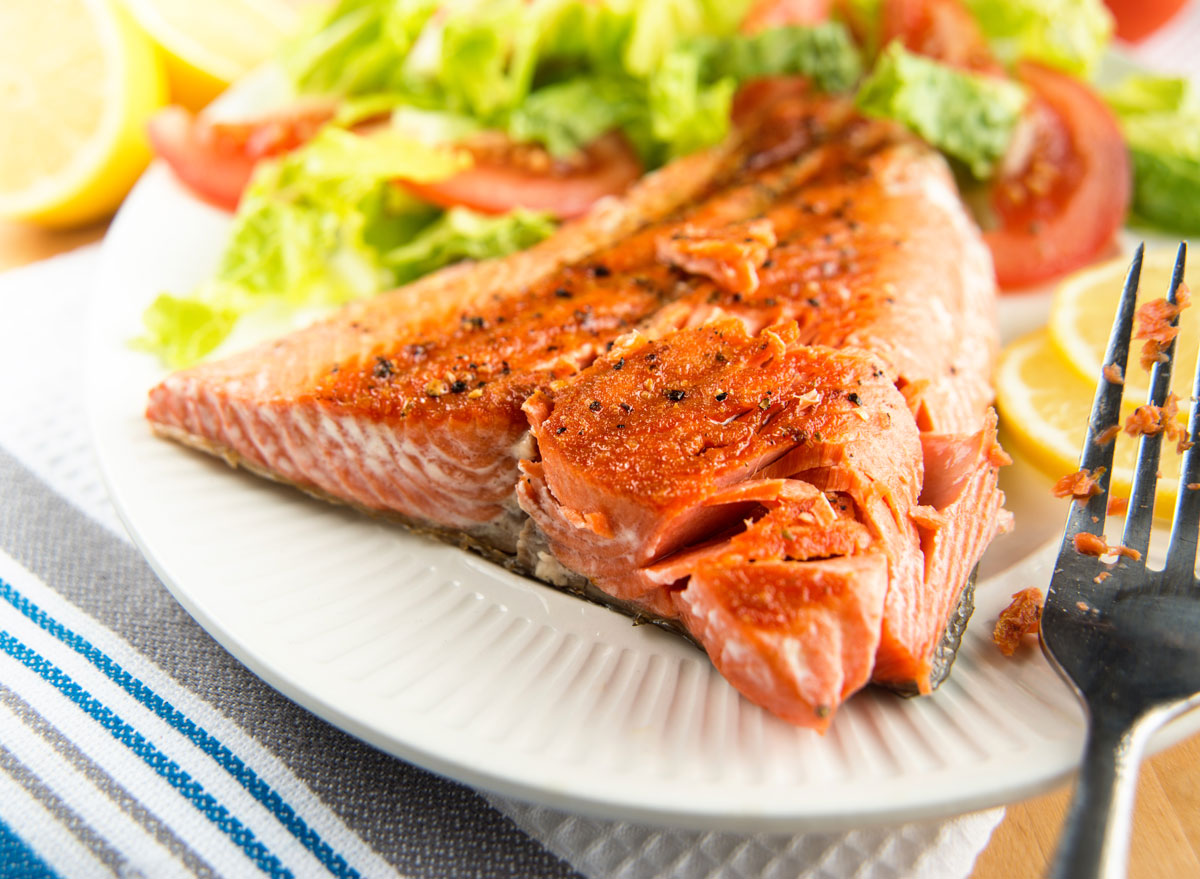
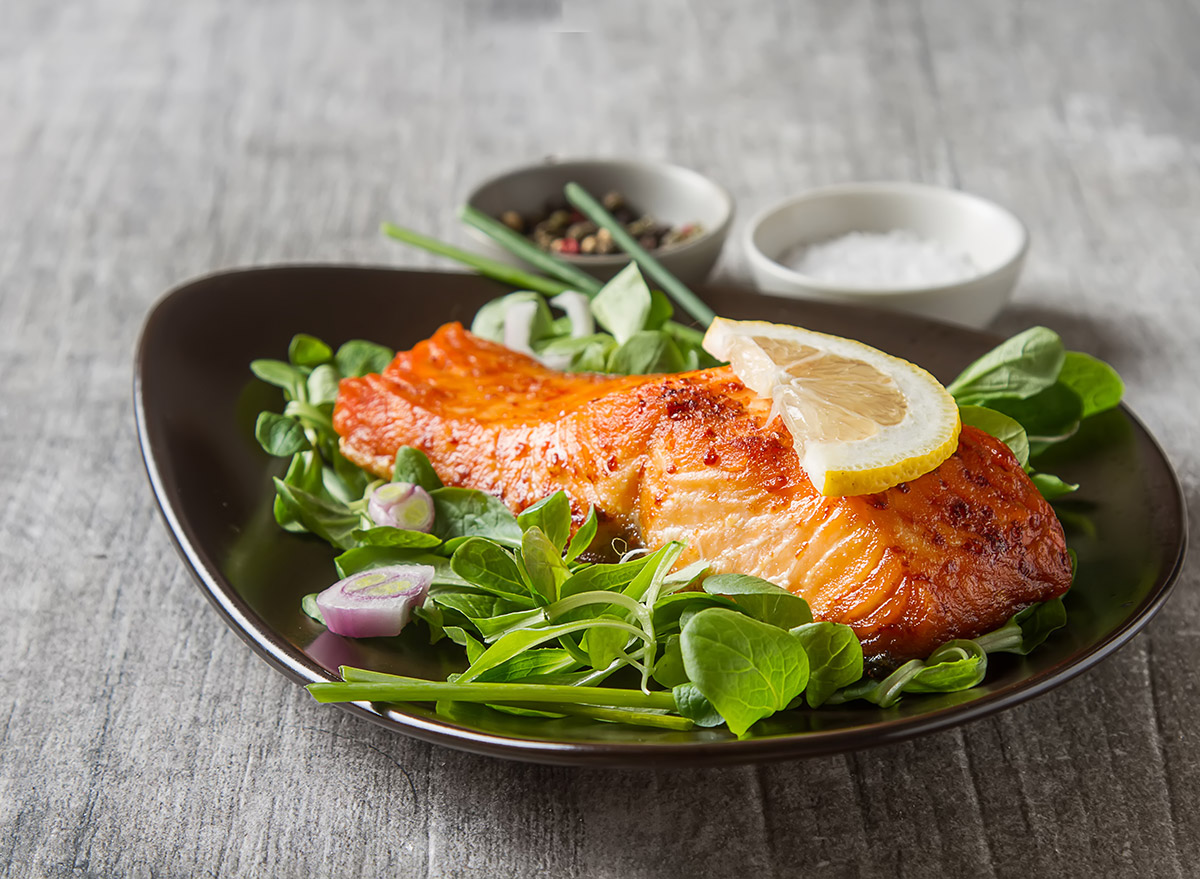
Salmon comes in quite a few different varieties — canned sockeye salmon, smoked chinook salmon, canned pink salmon, cooked sockeye salmon, cooked pink salmon and even cooked wild coho salmon — and all of them are chock-full of vitamin D. All of these options will help you hit your goals. After all, a three-ounce serving of canned sockeye salmon contains 17.9 mcg of vitamin D, while a three-ounce portion of cooked sockeye salmon contains 11.1 mcg of vitamin D.

Photo Courtesy: Justin Ong/Getty Images

Smoked Whitefish

Want to change up that salmon intake? Whitefish can help with that. While whitefish are a species of fish, the term also refers to a cluster of types of fish, all of which have a mild, slightly sweet flavor. Some of the most popular "whitefish" include pollock, bass, cod, halibut, grouper and haddock. On average, a standard three-ounce serving of smoked whitefish contains an impressive 10.8 mcg of vitamin D.

Photo Courtesy: Bohemian Nomad Picturemakers/Getty Images

Swordfish

If you're looking for a terrific source of vitamin D, and to break up all that whitefish and salmon, try swordfish. These creatures can grow to be a whopping 1,400 pounds — and nearly 15-feet in length. While you wouldn't want to tangle with one of these in the ocean, encountering it as a nice, grilled steak is a treat. Best of all, a three-ounce portion will provide you with 14.1 mcg of vitamin D.

Photo Courtesy: Shawn Miller/Getty Images

Tilapia

Tilapia is a cluster of fish species that aren't found in nature. That is, tilapia is a farmed fish, which makes it pretty inexpensive. This mild species is the fourth most common type of seafood eaten by Americans, in part because of its versatility. We recommend a nice herb-and-parmesan crust, but, any way you slice it (or season it), a three-ounce portion will provide you with 3.1 mcg of vitamin D.

Photo Courtesy: Mike Kemp/Getty Images

Canned Tuna

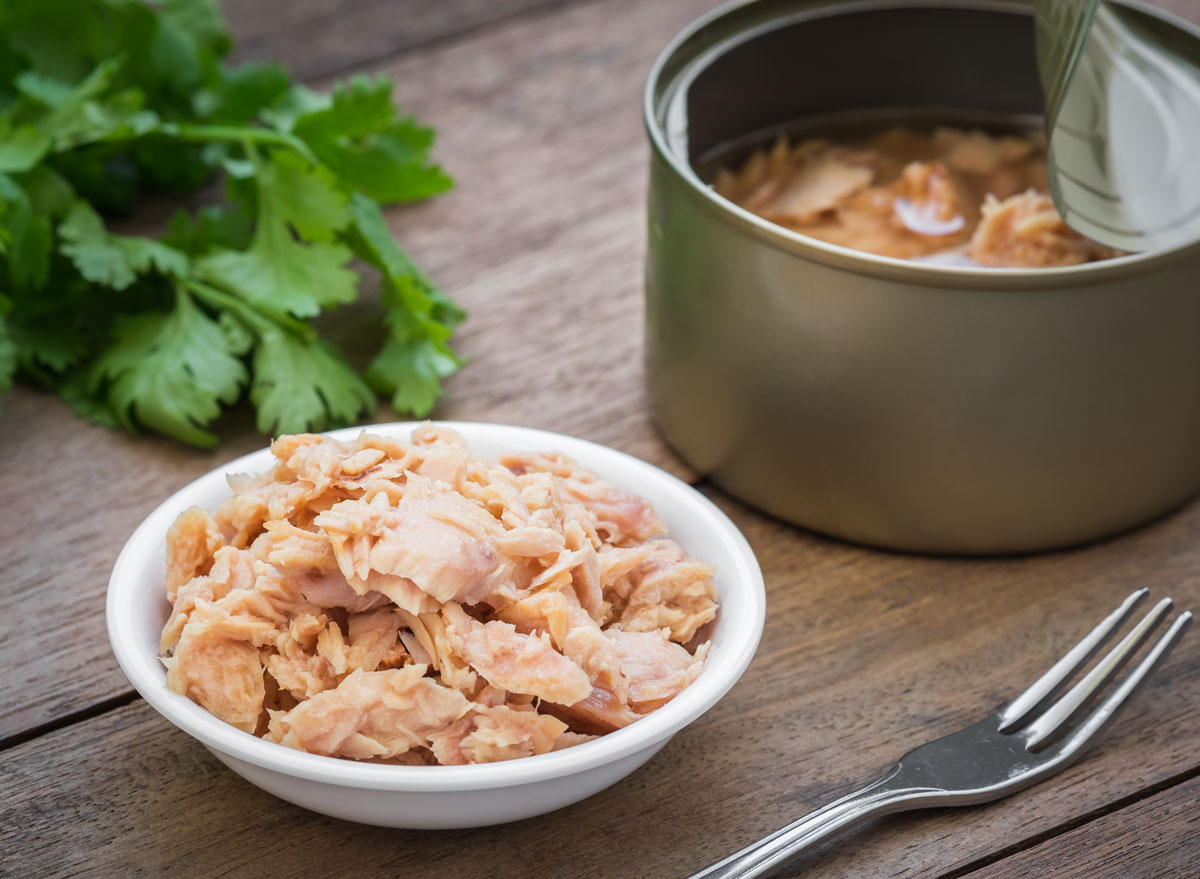
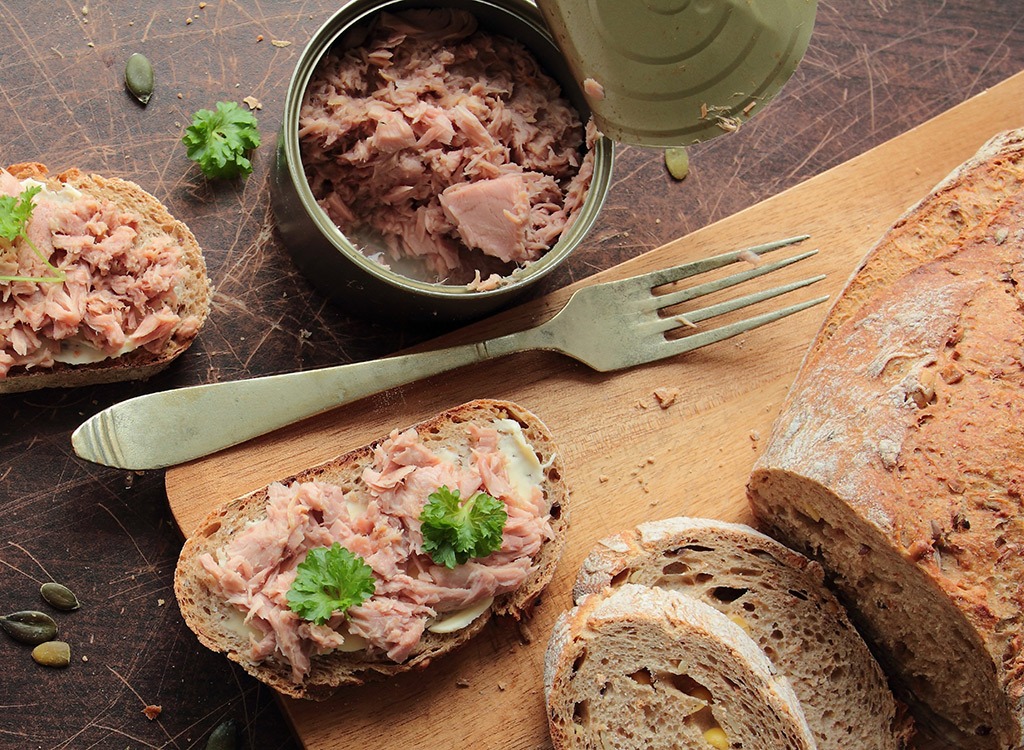
Not into canned food? Well, canned fish should probably be your exception. In fact, canned tuna, in addition to being readily available and inexpensive, can make an abundance of tasty meals, from tuna salad and melts to casseroles. Best of all, a three-ounce serving of light tuna canned in oil contains about 5.7 mcg of vitamin D.

Photo Courtesy: LauriPatterson/Getty Images

Mushrooms

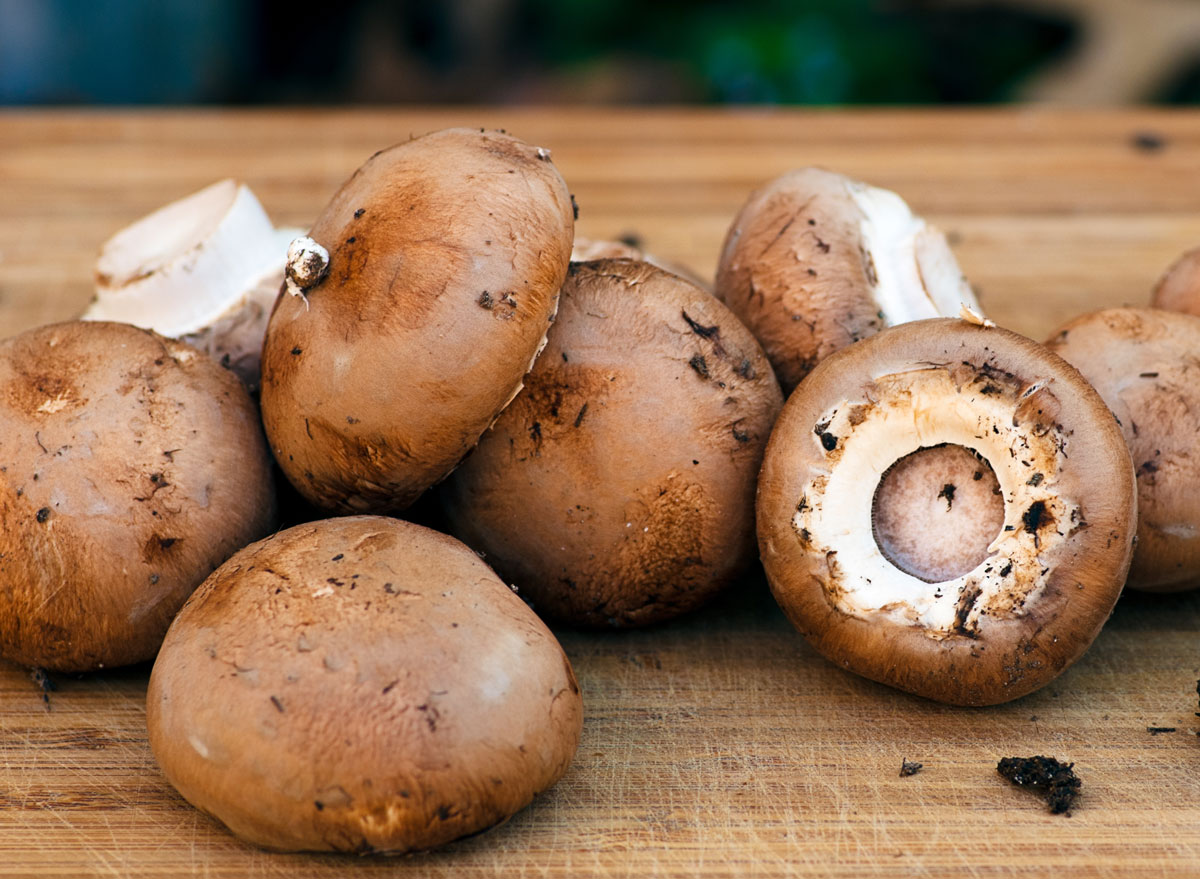
The five fish options we've listed above might not have surprised you, but this one might. Many varieties of mushrooms — including portabella, cremini, morels, chanterelles, maitake, and even your basic white button mushrooms — are excellent sources of vitamin D. In fact, half a cup of grilled portabella mushrooms delivers an impressive 7.9 mcg of vitamin D.

Photo Courtesy: Robert Lowdon/Getty Images

Eggs

Eggs — and, in particular, egg yolks — are one of the easiest, cheapest and quickest ways to nab some vitamin D. However, they may not be the food of choice for folks with high cholesterol. If your diet allows, whip up two scrambled eggs and enjoy getting 5% of your recommended daily intake of vitamin D first thing in the morning.

Photo Courtesy: valentinrussanov/Getty Images

Milk

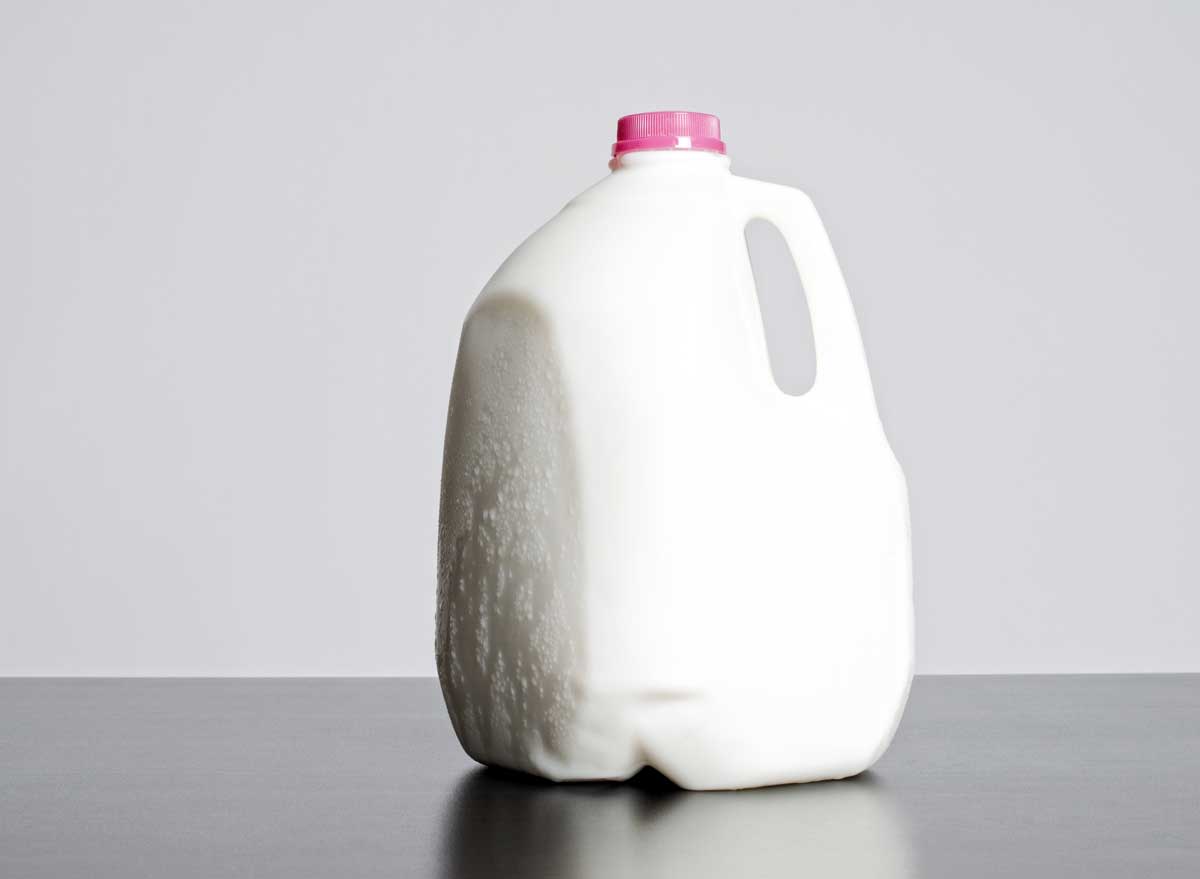
Milk is more than just a great source of calcium. In fact, vitamin D is among its significant nutritional benefits. When it comes to a 16-ounce serving of cow's milk, the vitamin D content varies based on the milk's composition. For example, whole milk contains 6.3 mcg of vitamin D, while 2%, 1% and skim milk all contain 5.9 mcg. Even soy and dehydrated (powdered) milk will help you reach your goals by providing 5.8 mcg and 3.4 mcg of vitamin D respectively.

Photo Courtesy: JW LTD/Getty Images

Yogurt

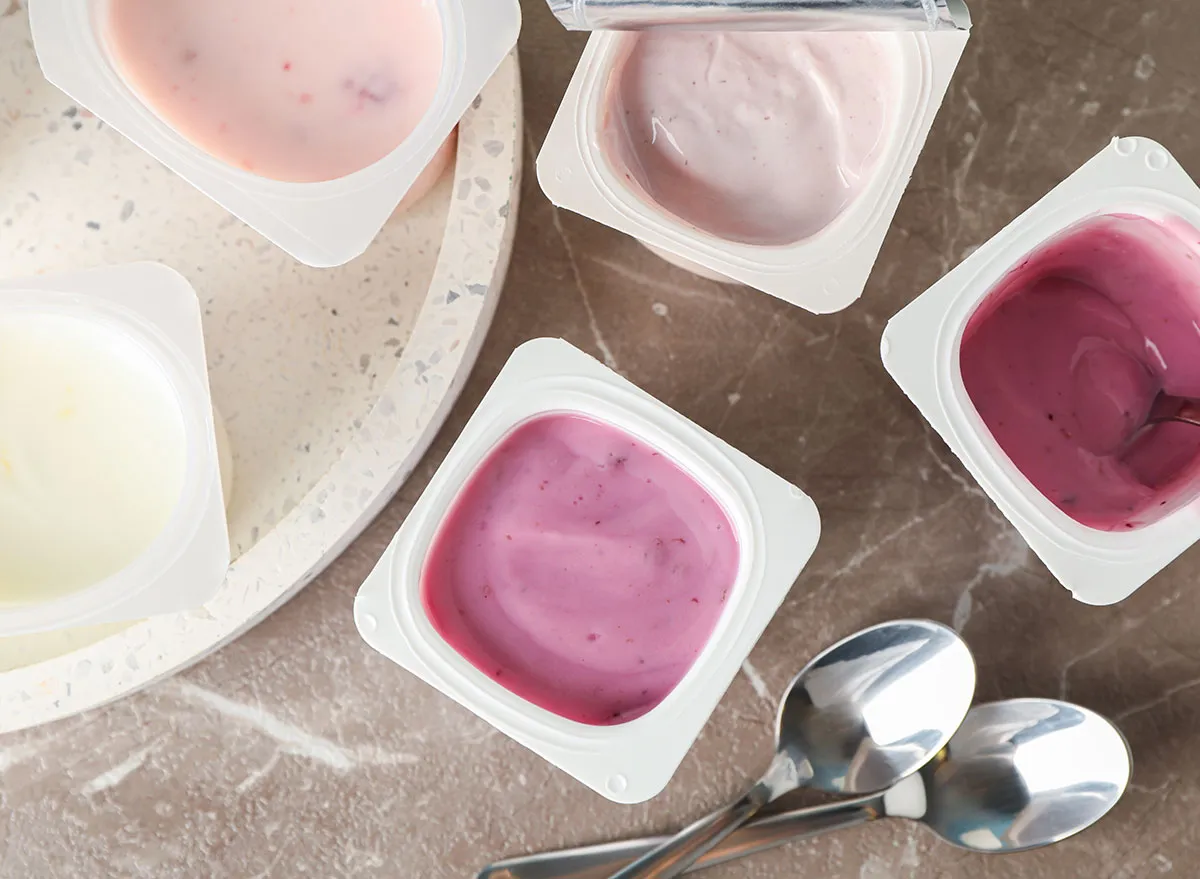
Milk is not the only dairy product capable of delivering some serious vitamin D benefits. Of course, the nutritional value of yogurt changes depending upon the variety. For example, Greek-style yogurt contains more protein and less sugar than other types of yogurt. Nonetheless, you can still expect anywhere from 2 to 3 mcg of vitamin D per eight-ounce serving, regardless of the variety of yogurt.

Photo Courtesy: Westend61/Getty Images

Pork

So far, you've seen lots of fish and dairy options. You might be wondering, Where's the meat? Well, generally speaking, beef and chicken are not great sources of vitamin D. In fact, if you're a meat lover in search of some vitamin D, pork is your best bet. The nutritional value of pork varies depending upon the cut, method of preparation and more, but you're likely to find between 0.2 to 2.2 mcg of vitamin D in a standard three-ounce serving of pork.

Photo Courtesy: EasyBuy4u/Getty Images

Resource Links:

  • The U.S. Department of Health and Human Services and Department of Agriculture's Dietary Guidelines for Americans
  • The National Institutes of Health (NIH)

More From SymptomFind.com

Vitamin D List Foods

Source: https://www.symptomfind.com/health/vitamind-foods?utm_content=params%3Ao%3D740013%26ad%3DdirN%26qo%3DserpIndex

Share:

Is Vitamin D Good For Flu

Is Vitamin D Good For Flu

Fighting-the-Flu-with-Vitamin-D

iStockphoto

Vitamin D has been getting a lot of attention lately, with some studies suggesting that not getting enough may increase your risk of heart disease, cancer and other health problems. Earlier this year, a study in the Archives of Internal Medicine found that people with low levels of vitamin D were more likely to develop respiratory infections—including the flu.

Vitamin D plays a role in regulating the function of your immune system, so it makes sense that people with higher levels would be less prone to catch the flu, or more likely to get a milder case of it, explains WD health advisor John Pan, MD, director of the Center for Integrative Medicine at George Washington University Medical Center. Unfortunately, most of us aren't getting enough. "Rarely do I have a patient with an optimal level, above 50 mg/dL," says Dr. Pan. (Your doctor can check your vitamin D levels with a simple blood test.) He says that most people need 1,000 to 2,000 IU of vitamin D daily.

Your body produces vitamin D when your skin is exposed to the sun, but most of us don't spend ample time outdoors—especially in the winter. Since there are very few foods that contain vitamin D, a supplement is often the best option. (A daily pill containing about 1,000 IU is probably a safe bet for most people, but check with your doctor to be sure.)

And if you're already experiencing flu symptoms, a megadose of vitamin D could stop it from worsening. "I have personally tried the flu interruption protocol developed by Dr. Mercola [another alternative health expert], and it works."

How to do it: At the first sign of flu symptoms (sore throat, fever, etc.), take 1,000 IU of vitamin D per pound of body weight. So if you weigh 150 pounds, you'd take 150,000 IU once daily for three days, says Dr. Pan. Short-term megadoses of D should be safe and can help combat vitamin D deficiency, but definitely don't do this for more than three days (too much D can cause dangerously high levels of calcium in your blood). And again, it's a good idea to run this by your own health care provider before trying it.

This content is created and maintained by a third party, and imported onto this page to help users provide their email addresses. You may be able to find more information about this and similar content at piano.io

Is Vitamin D Good For Flu

Source: https://www.womansday.com/health-fitness/womens-health/a4250/fighting-the-flu-vitamin-d-99467/
Share:

What Vegetables Vitamin D

What Vegetables Vitamin D

10 Vitamin D–Rich Foods to Add to Your Diet

Fish, mushrooms, and several fortified foods can help you get your fix of the Sunshine Vitamin.

Sheryl Huggins Salomon

Reviewed:

beautiful black, mixed race, female cooking salmon in the kitchen

Tuna, swordfish, and salmon are all good sources of vitamin D.

Are you getting enough vitamin D in your diet? This nutrient is important for growing healthy cells, keeping your immune system humming to ward off illness, and aiding in calcium absorption so your bones stay strong. It also helps prevent the bone disease rickets in children, and with calcium, the so-called Sunshine Vitamin can help guard against osteoporosis in older adults, the National Institutes of Health (NIH) notes.

Vitamin D is produced in your body when the sun's ultraviolet rays hit your skin, and the recommended daily allowance (RDA) of vitamin D is 600 international units (IU), which is 15 micrograms (mcg) for most adults, according to the NIH. For those older than 80, the RDA is 800 IU (20 mcg).

Yet most people don't get enough vitamin D via sunlight, nor is food a good source of the nutrient, says Lori Zanini, RD, a Los Angeles–based dietitian.

People typically don't exceed 288 IU per day from diet alone. Even if you drink milk fortified with vitamin D, 8 fluid ounces (oz) has only 100 IU — one-sixth the amount that you need daily. No wonder 41.6 percent of Americans have a vitamin D deficiency, per a study. A vitamin D deficiency means you have 20 nanograms per milliliter or less of the nutrient in your blood. If you are nonwhite, obese, or do not have a college education, you may be at greater risk for being vitamin D deficient. Your healthcare provider can test your blood to find out for sure.

RELATED: Do You Need to Take a Vitamin D Supplement?

To get your fix, you can opt for supplements. Zanini recommends vitamin D3 (cholecalciferol), which is found in animal sources of food and is generally better absorbed in the body, though plant-derived vitamin D2 (ergocalciferol) is used in supplements as well. Yet research is mixed on whether vitamin D supplements offer concrete health benefits. Authors of a study published in January 2019 in The New England Journal of Medicine theorized that there is a reduced cancer risk for African Americans who take vitamin D supplements, as well as a significantly lower death rate in people with cancer who take them. But major studies published recently, including an October 2018 review in The Lancet, have not shown benefits from supplementation, despite prior hype about it.

"Getting vitamin D from food is a priority," says Zanini. Make sure your diet is rich in the following fare, so you can increase your intake.

41

Sockeye Salmon Is a Source of Protein

Salmon high in vitamin d

Not only is salmon a great option if you're looking for protein to add to your diet but it's also rich in the Sunshine Vitamin. According to the NIH, 3 oz of cooked sockeye salmon has about 447 IU of vitamin D. "In addition to vitamin D, salmon is a great addition to anyone's diet, with it also being a good source of healthy protein and omega-3 fatty acids," says Zanini. According to the NIH, fish offer two critical omega-3s: eicosapentaenoic acid and docosahexaenoic acid, which you must get through food. Omega-3s help keep your immune, pulmonary, endocrine, and cardiovascular systems healthy.

Add sockeye salmon to your dinner rotation with this flavorful Dijon-based recipe. Other cold-water fatty fish, like mackerel and sardines, also have similarly high levels of vitamin D, per the NIH.

RELATED: What Are the Health Benefits of Tilapia?

42

Enjoy Swordfish — in Moderation

a plate of swordfish which is a source of vitamin d

Swordfish is another favorite of Zanini's. Three cooked ounces provide 566 IU per serving, which nearly gets you to your daily recommended intake of vitamin D, according to the NIH. "The American Heart Association [AHA] recommends eating at least two servings of fish per week, and this fish is versatile and tasty," she adds. The AHA advises children and pregnant women to avoid large fish, such as swordfish, because they have higher levels of mercury contamination than smaller, less long-lived species. Yet the health benefits for older adults in particular outweigh the risks, according to the organization.

Try swordfish in kebabs complete with onions, green bell peppers, mushrooms, and cherry tomatoes.

43

Canned Tuna Packs More Than 25 Percent of Your Daily Goal

Canned Tuna high in vitamin d

44

Eat Mushrooms for a Versatile Vitamin D Punch

Baked Veggie-Stuffed Portobello Mushrooms From The Gluten-Free Vegetarian Family Cookbook

While mushrooms don't naturally offer a high amount of vitamin D, some are treated with UV light, providing a larger dose of the nutrient as a result. The vitamin D amounts will vary depending on the amount of UV light the mushrooms are exposed to, according to the Agricultural Research Service. A serving has between 124 and 1,022 IU per 100 grams (g).

Growers such as Monterey Mushrooms produce varieties high in vitamin D, but you have to read the labels. Once you have them, add sautéed mushrooms to eggs or fish for a meal even richer in vitamin D. Or make a more substantial mushroom dish, such as veggie-stuffed portobellos.

45

Fortified Milk Offers a Double Whammy: Vitamin D and Calcium

Fortified Milk high in vitamin d

In addition to being an excellent source of calcium, 8 fluid ounces (fl oz) of milk has between 115 and 124 IU of vitamin D, the NIH notes. Be sure to check the label of your favorite brand for the exact amount. Fortified plant-based milks, such as soy and almond, can provide similar amounts of vitamin D, as well.

Enjoy a cold 8 oz glass of your preferred fortified milk straight up, blend it into a smoothie, or use it to whip up your choice of coffee drink.

RELATED: 9 Best and Worst Milks for Your Cholesterol Levels

46

Fortified Orange Juice Can Give You a Healthy Start to the Day

Fortified Orange Juice high in vitamin d

One cup (8 fl oz) of fortified orange juice can add up to 137 IU of vitamin D to your daily total, though the NIH recommends checking the label for exact numbers because counts can vary. Serve a glass of OJ with breakfast or use it in this mango-strawberry smoothie recipe, a delicious and portable morning meal. Keep in mind that it's generally healthiest to enjoy whole fruit rather than its juice form, since the former still contains filling fiber, so drink juice in moderation. If you have a health condition for which you need to watch your carbohydrate and sugar intake, such as diabetes, it may be best to get your vitamin D from another source. Work with your healthcare team to figure out how much, if any, OJ is right for your diet.

47

Fortified Yogurt Makes for a Gut-Healthy Snack

Fortified yogurt high in vitamin d

Yogurt is a convenient, tasty snack — and when consumed plain or with fresh fruit, it's healthy, too. This type of dairy is an excellent source of good-for-the-gut probiotics, and reaching for a fortified variety will knock off between 10 and 20 percent of your daily requirement of vitamin D, depending on the brand. Many fortified varieties are flavored (meaning they're likely to be sugar bombs), so read the nutrition label to find out what you're getting. The AHA recommends a max of 9 teaspoons (tsp) or 26 g of added sugar for men per day and a max of 6 tsp or 25 g of added sugar for women per day.

Try cooking a meal with plain yogurt for a vitamin D–enhanced entrée: This Middle Eastern–style chopped vegetable salad includes greens, herbs, and grains and also uses a cup of plain yogurt. It is a cooling alternative to a hot dish.

RELATED: Eat These 3 Foods for a Healthy Gut

48

Cereal Can Be Fortified With Vitamin D, and Oatmeal Offers Fiber

Fortified Cereal and Oatmeal

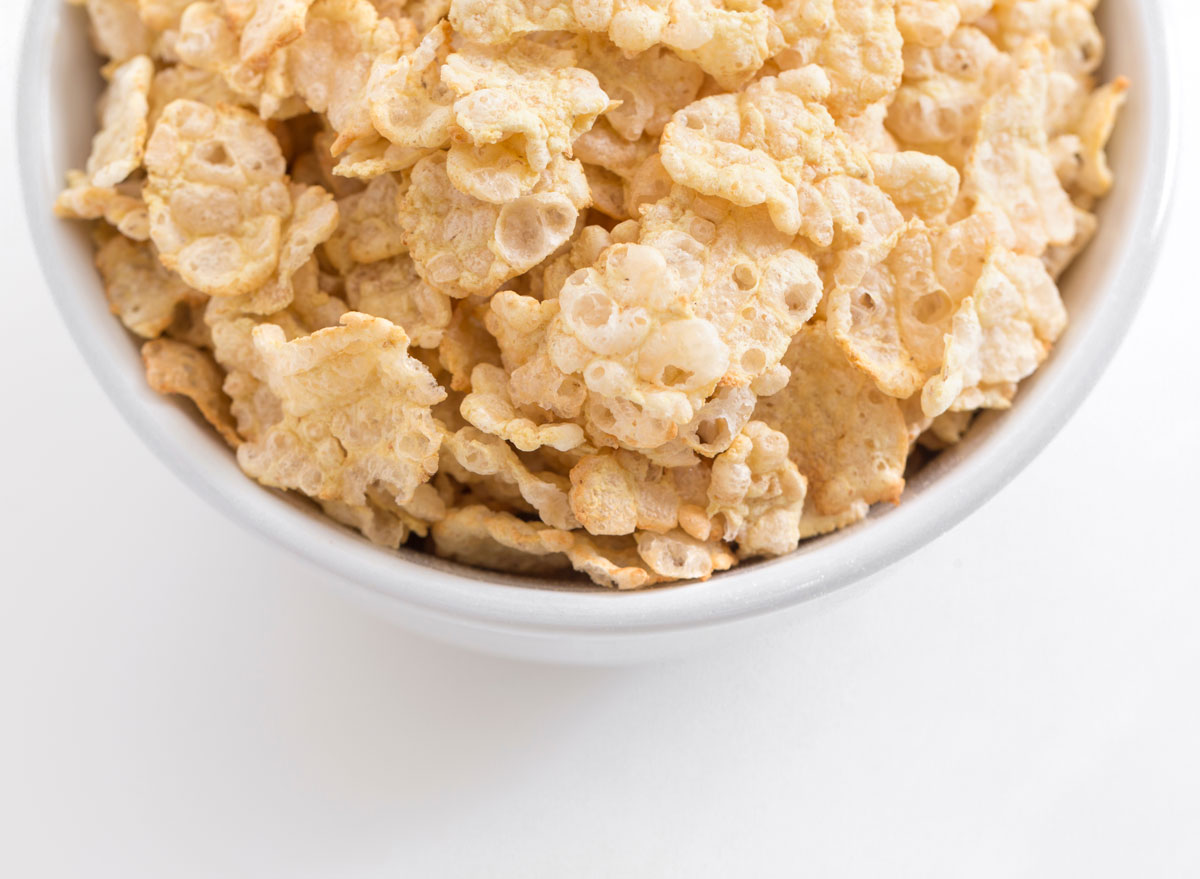
A packet of unsweetened, fortified oatmeal can add a solid dose of vitamin D to your diet. Ready-to-eat fortified cereal typically gives you 40 IU of vitamin D per serving, per the NIH, but it may provide more if you choose a more heavily fortified cereal, like Raisin Bran, which has 60.2 IU per cup, notes the U.S. Department of Agriculture.

Fortified cereal can be a solid base for a nutrient-rich, high-fiber meal — especially if you add fortified low-fat or fat-free milk to your bowl for an extra 60 IU per half cup. Or you can be more adventurous and make a breakfast cookie that includes both fortified cereal and vitamin D–fortified margarine.

49

Eggs Contain Protein and Immunity-Boosting Benefits

eggs which are a source of vitamin d

50

Sardines Give You Calcium, Omega-3s, and Protein

a plate of sardines which are high in vitamin d

Buying fresh fish can be pricey. If that's holding you back, give canned sardines a try. They're more affordable than other forms of fish and are high in protein, heart-healthy omega-3 fatty acids, calcium, and vitamin D. Two sardines from a can offer 46 IU of the vitamin, or 12 percent of your daily value, according to the NIH. The underrated fish works well on top of salads, as well as in pasta sauces and stews.

What Vegetables Vitamin D

Source: https://www.everydayhealth.com/foods-high-vitamin-d/

Share:

Does Curd Contain Vitamin D

Does Curd Contain Vitamin D

Eating enough vitamin D-rich foods is one of the best ways to reap all of the mineral's health-boosting benefits. Not only does vitamin D keep brittle bones at bay, but research shows it can also:

  • fight colds by boosting your immune system
  • diminish inflammation
  • may alleviate symptoms of depression
  • reduce the risk of certain cancers
  • ward off erectile dysfunction

Talk about a multitasker.

How can you ensure you're getting enough vitamin D?

Your body produces vitamin D whenever your skin is directly exposed to sunlight. That's why it's often referred to as the "sunshine vitamin." You can also consume vitamin D through food. Most vitamin D-rich foods are animal-based products, although manufacturers do fortify some plant-based foods with vitamin D.

With sufficient sun exposure, you likely do not need to supplement your diet with vitamin D foods. However, according to the Dietary Guidelines Advisory Committee, the majority of the U.S. population does not consume (either through sun exposure or food) an adequate amount of vitamin D, which is considered to be 20 micrograms (800 IUs) of vitamin D per day.

Plus, if you're staying inside for more hours of the day, your skin is seeing less sun.

If your skin isn't producing enough vitamin D, you can supplement by eating vitamin D foods or taking a vitamin D supplement.

There are only a few foods that contain significant levels of vitamin D, which is why registered dietitian Robin Foroutan, MS, RDN, Integrative Medicine Dietitian advises taking a vitamin D supplement with "2,000 to 5,000 IU per day with a meal. Especially if you're spending most of your time indoors."

The top 11 foods highest in vitamin D

We've found the best vitamin D foods and ranked them in order of potency (starting from most to least). Next time you visit the supermarket, be sure to grab a few of these 11 healthy vitamin D foods.

White baby bella mushrooms exposed to ultraviolet uv light
Shutterstock

Vitamin D content (per 1 cup): 25.2 mcg/1,000 IUs (126% DV)

It sounds odd, but hear us out: when mushrooms are exposed to sunlight or a UV lamp (ultraviolet light), they can generate high levels of vitamin D2, according to a study published in the journal Nutrients. In fact, this method results in mushrooms with vitamin D levels higher than most vitamin D-containing foods. This is particularly important to vegans and vegetarians because mushrooms are the non-animal, unfortified food source of vitamin D with a substantial amount of vitamin D (over an entire day's worth) in a single serving.

Grilled sockeye salmon
Shutterstock

Vitamin D content (per 3-ounce filet): 14.2 mcg/570 IUs (71% DV)

Coming in at the top of our list is sockeye salmon—and it's easy to see why. Just one three-ounce serving provides more than a day's recommended vitamin D intake. Bonus: this fish is brimming with heart-protecting, anti-inflammatory omega-3 fatty acids.

RELATED: Sign up for our newsletter for the latest healthy eating news.

grilled salmon on a bed of spinach topped with a lemon
Shutterstock

Vitamin D content (per 3-ounce farmed Atlantic salmon filet): 11.1 mcg/447 IUs (56% DV)

If you prefer the buttery texture of Atlantic salmon (or it's just the only salmon your fishmonger offers), then you're in luck. The farmed salmon also contains high levels of vitamin D: over half a day's worth.

Shutterstock

Vitamin D content (per 1 cup): 2.9 mcg/120 IUs (15% DV)

Although cow's milk isn't naturally rich in vitamin D, in America it's commonly fortified with the nutrient. To best absorb the D—and the full alphabet of nutrients listed on the carton—opt for 2 percent over skim. It's well worth the calories, because vitamins A, D, E, and K need fat to be absorbed. One cup provides 15 percent of the day's recommended D intake.

yogurt
Shutterstock

Vitamin D content (per 6 ounces): 2 mcg/80 IUs (10% DV)

Some yogurts are fortified with vitamin D. Unfortunately for buyers, many of these fortified tubs are also those that are traditionally higher in sugar and lower in protein than what we'd typically recommend. One healthy option is the 32-ounce tub of Stonyfield Organic Plain Low Fat Smooth & Creamy yogurt. Each 8-ounce serving contains 110 calories, 2 grams of fat, 12 grams of sugar, and 10 grams of protein for a whopping quarter of your day's recommended vitamin D.

RELATED: 25 Best Yogurts for Weight Loss, According to Nutritionists

special k breakfast cereal
Shutterstock

Vitamin D content (per 1 to 1 1/4-cup serving): 2 mcg/80 IUs (10% DV)

Certain cereals, like Kellogg's Special K and many other Kellogg's cereals, fortify each serving with 10 percent of your daily value of vitamin D. Combine that with three-quarters of a cup of skim milk, and you're looking at 20 percent of your daily value of the bone-building nutrient in just one meal. However, know that many cereals are packed with sugar, so they should be enjoyed sparingly.

RELATED: The Worst Cereal You Should Never Eat, According to a Nutritionist.

Canned white chunk tuna
Shutterstock

Vitamin D content (per 3 ounces): 1.7 mcg/68 IUs (9% DV)

A convenient and ready-to-eat way to get in some vitamin D foods is to grab a can of tuna. Go with the white albacore tuna to get a bit more vitamin D out of your tuna salad.

Tuna light canned
Shutterstock

Vitamin D content (per 3 ounces): 40 IUs per 3 ounces (7% DV)

Don't worry, you don't have to be too picky with your tuna selection. Light chunk tuna also serves up a significant percentage of your vitamin D daily value.

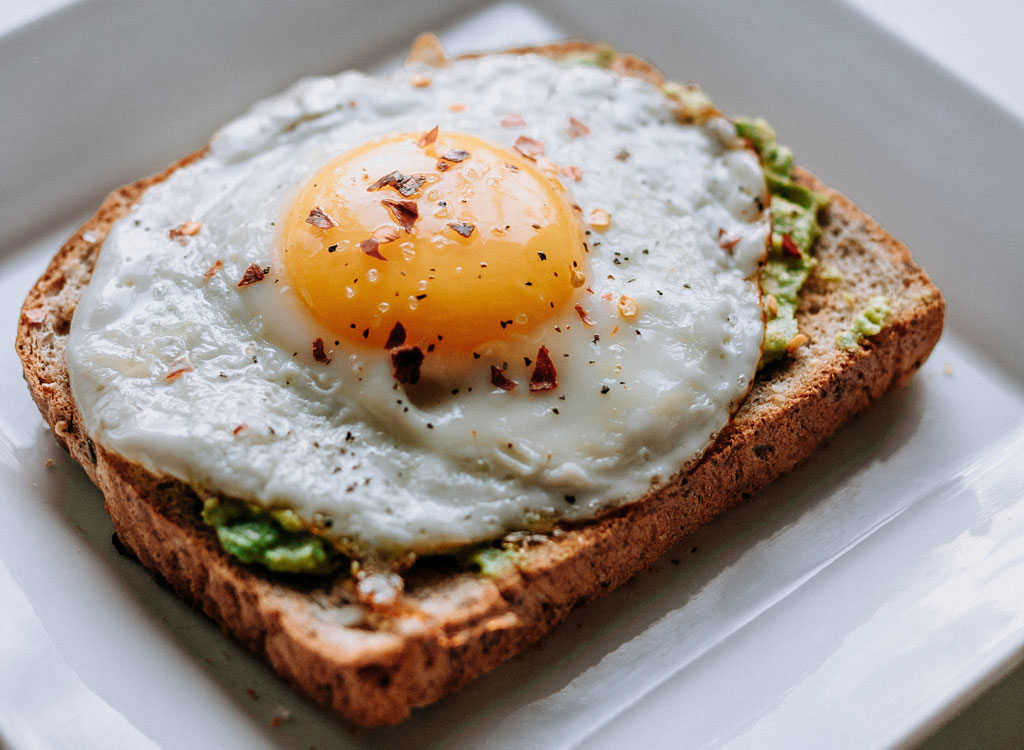
Avocado and egg toast
Ben Kolde/Unsplash

Vitamin D content (per 1 large egg): 1.2 mcg/50 IUs (6% DV)

The yolk of a whole egg may add some extra calories and fat to your plate, but it also contains a host of fat-blasting and health-boosting nutrients—including vitamin D. In fact, a three-egg omelet serves up nearly 20 percent of the daily D requirement. We suggest adding some veggies to the mix for an added boost of flavor and nutrients.

RELATED: 15 Best Egg Combos That Double Your Weight Loss

Sardines in tin next to flax crackers
Shutterstock

Vitamin D content (per 2 sardines): 1.2 mcg/46 IUs (6% DV)

Sardines are the perfect snack for boosting bone health. Not only are they rich in calcium, but they also contain some vitamin D, which will help your body absorb that calcium.

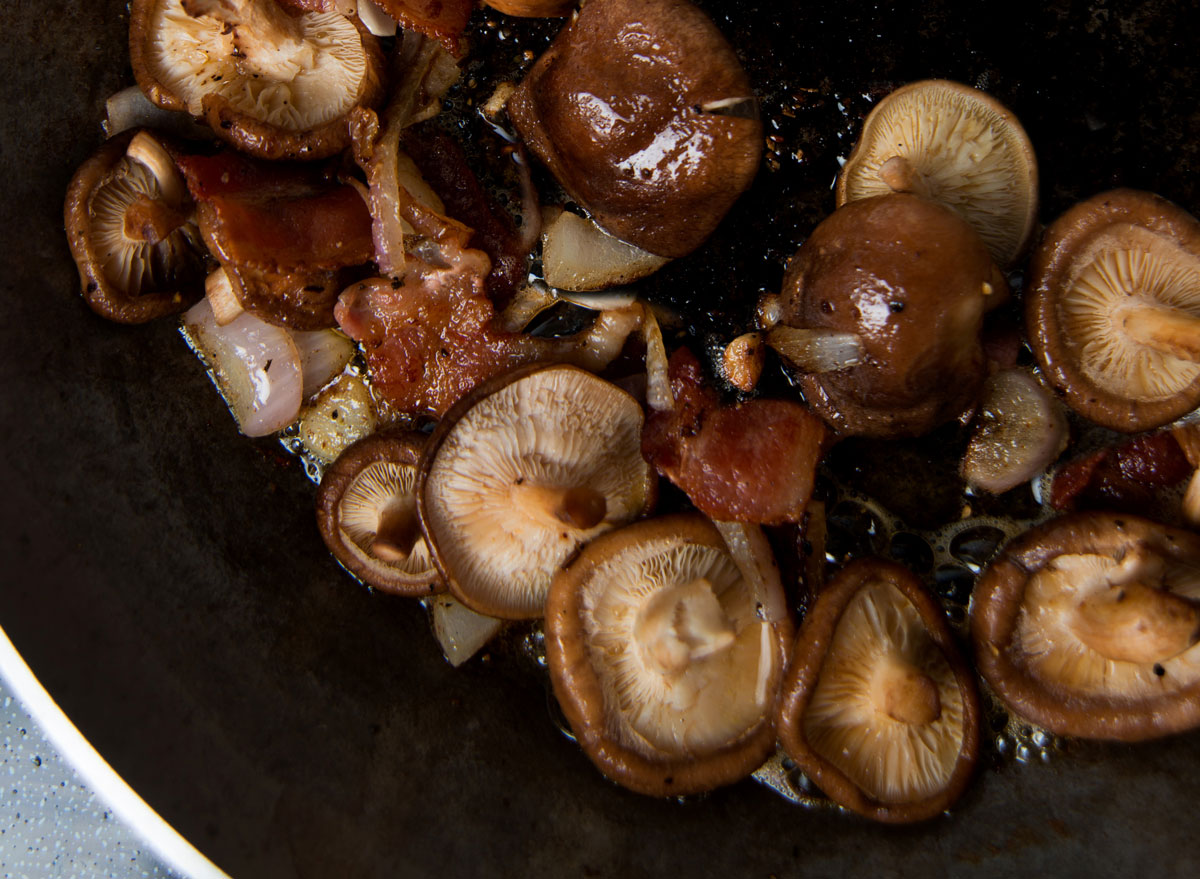
Cooked shiitake mushrooms
Shutterstock

Vitamin D content (per cup): 1 mcg/41 IUs (5% DV)

If you can't get your hands on UV-enhanced mushrooms, you can always opt for shiitake mushrooms as an alternative. They're an excellent addition to omelets, stir-frys, salads, and tacos. Check out our Soft Veggie Chicken Tacos recipe to see how we use the vegetable in the Tex-Mex-inspired dish. It only takes 15 minutes to whip up!


This article was originally published May 15, 2015, and has since been updated to reflect changes in nutritional information.

Does Curd Contain Vitamin D

Source: https://www.eatthis.com/5-best-foods-for-vitamin-d/

Share:

40 Mcg Vitamin D

40 Mcg Vitamin D

Vitamin D: A Rapid Review

Dosage of Vitamin D Needed To Achieve 35 to 40 ng/ml (90-100 nmol/L)

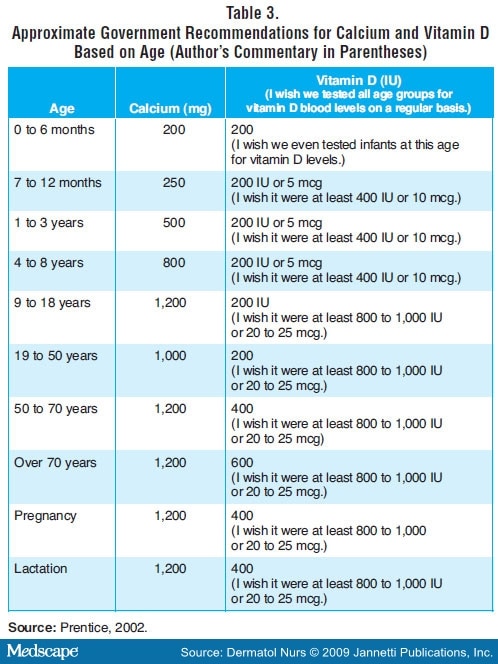
Historically, 400 IU (10 ug) of vitamin D was recommended for better health because it closely approximated the amount of vitamin D in a teaspoonful of cod liver oil. However, 800 to 1,000 IU is the dose that may have a better chance of giving a patient a normal vitamin D level. In some countries, vitamin D is listed in micrograms, and the relationship is as follows:

  • 2.5 mcg (micrograms) = 100 IU.

  • 5 mcg = 200 IU.

  • 10 mcg = 400 IU.

  • 15 mcg = 600 IU.

  • 20 mcg = 800 IU.

It is much easier to access the patient's need after a vitamin D blood test. Few individuals would allow their clinician to simply guess an individual's cholesterol level before placing him/her on some type of medication. Clinicians have access to an accurate lipid test that provides guidance. The same is true for vitamin D levels. Clinicians should not suggest high intakes of vitamin D (5,000 IU for example) before recommending the 25-OH vitamin D test.

Health care professionals need to keep in mind that in general, 100 IU (2.5 mcg) of vitamin D per day can raise the vitamin D blood test only 1 ng/ml or just 2.5 nmol/L after 2 to 3 months. How much vitamin D is needed per day to obtain a normal vitamin D blood level? The following examples include:

  • 100 IU (2.5 mcg) per day increases vitamin D blood levels 1 ng/ml (2.5 nmol/L).

  • 200 IU (5 mcg) per day increases vitamin D blood levels 2 ng/ml (5 nmol/L).

  • 400 IU (10 mcg) per day increases vitamin D blood levels 4 ng/ml (10 nmol/L).

  • 500 IU (12.5 mcg) per day increases vitamin D blood levels 5 ng/ml (12.5 nmol/L).

  • 800 IU (20 mcg) per day increases vitamin D blood levels 8 ng/ml (20 nmol/L).

  • 1000 IU (25 mcg) per day increases vitamin D blood levels 10 ng/ml (25 nmol/L).

  • 2000 IU (50 mcg) per day increases vitamin D blood levels 20 ng/ml (50 nmol/L).

If the vitamin D blood test was 30 ng/ml (75 nmol/L) and a 40 ng/ml (100 nmol/L) level was desired, 1,000 IU (25 mcg) of vitamin D per day over several months should be taken to achieve a normal blood level or 40 ng/ml (100 nmol/L). Upon reaching the goal, most individuals need to supplement with 800 to 1,000 IU per day to maintain this level. Only working closely with a clinician over time can provide the most accurate answer. However, issues of insurance and health care access suggest that 800 to 1,000 IU is ample for many individuals who are not able to have their blood tested.

  • Abstract and Introduction
  • Why Most People Are Vitamin D Deficient
  • Dietary Sources of Vitamin D
  • Vitamin D2 and/or Vitamin D3
  • The Vitamin D Blood Test (25-OH Vitamin D): Who, How, When, and Where
  • Personal Belief Regarding Vitamin D Testing
  • The "Ideal" Vitamin D Blood Level
  • Dosage of Vitamin D Needed To Achieve 35 to 40 ng/ml (90-100 nmol/L)
  • Calcium and Vitamin D Recommended Daily Allowances
  • Side Effects and Toxicity
  • Conclusion
  • References

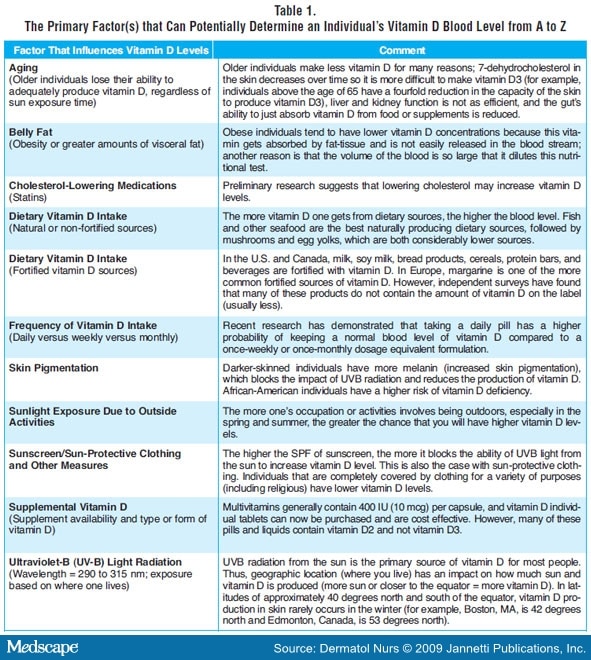
Table 1.

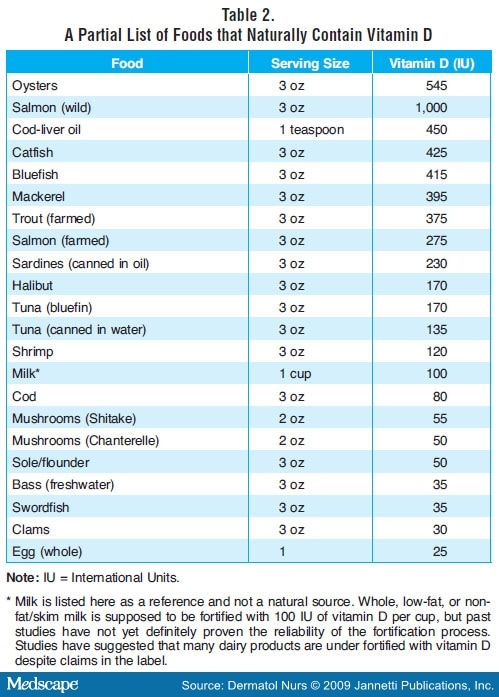
Table 2.

Table 3.

Authors and Disclosures

Mark A. Moyad, MD, MPH, is the Jenkins/Pokempner Director of Preventive and Alternative Medicine, University of Michigan Medical Center, Department of Urology, Ann Arbor, MI.

40 Mcg Vitamin D

Source: https://www.medscape.com/viewarticle/589256_8

Share:
banner